Recovery & Support
Recovery after a MVI takes many different paths and is unique to each person. Recovery may continue for months or years. Victims and survivors are ever changing and mental health can ebb and flow. Elements of western science, traditional Alaska Native healing, and various other cultural offerings provide options and support.
Responsibly Blending Cultural Practices
Our beautifully diverse state offers remarkable opportunity to incorporate culturally connected healing options. Integrating traditional practices needs to be guided by the leaders from the applicable community. Talking circles, Teaching Circles, Prayer Circles, Mass, Body Energy work, Smudging, Burial Beads, Wake, Ritual and Rites Ceremonies are just a few possibilities Alaskans may seek when grieving.
Here are a few quick tips to being culturally aware:
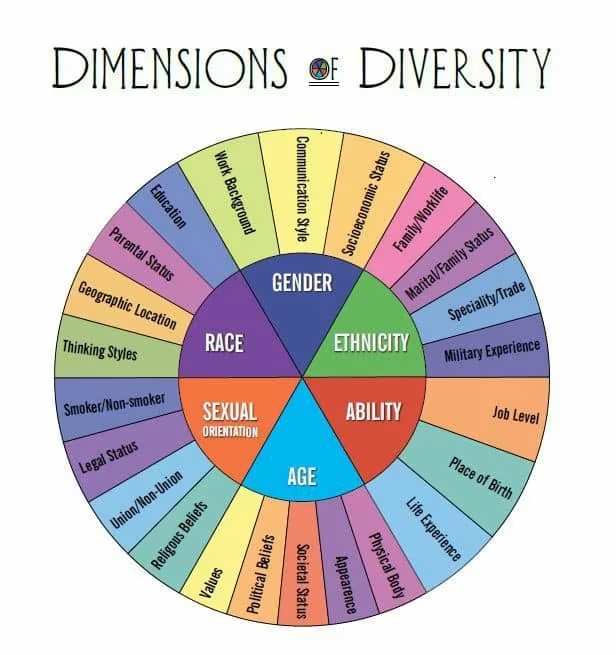
- As you move through needs assessments with individuals, remember to explore the uniqueness of the victim. Understanding all their dimensions and layers will elevate your listening and help provide the most appropriate referrals for recovery.
- Be aware and own your bias. Remember people in crisis can be hyper sensitive to the reactions of others. If you cannot overcome a personal hurdle, ask for a colleague to assist the victim.
- It is never a Victim Service providers job to know all the culturally appropriate steps at the end of life or beginning of recovery. Collaborate with spiritual, religious, and cultural leaders to make the best referrals.
Cultural Guides for Helping Alaskans
- Resources for Alaska Native Families
- A helpful guide when working with Alaska Native families. Traditional values, healers, and language are essential to access when offering resources for health.
- Traditional Health & Wellness Guide
- Sudden and Unexpected Death
- "Culture includes the beliefs, customs, and arts of a particular society, group, or place. How people respond to issues of death or dying is directly related to their cultural backgrounds. Anyone who works with families should be sensitive to their culture, ethnic, religious, and language diversity. This tip guide provides practical cultural guidelines for working with families who have experienced sudden and unexpected death." -Disaster & Community Crisis Center: University of Missouri
- Cultural Guidelines for Working with Families Who Have Experience Sudden and Unexpected Death
- Cultural Guides
- The University of Minnesota produced these 2-page guides as helpful guides on Latino, Somali, and Hmong cultures.
- University of Minnesota Culture Guides
Connect with Communities
- Alaska Disability Resource and Advocacy Organization
- Alaska Native Heritage, Language and History
- Alaska Native Tribal Health Consortium - Behavioral Health
- Alaska Refugee Assistance & Immigration Services
- Alaska State Office of Veterans Affairs - Health Care System
- Directory of Christian Churches in Alaska
- LGBTQIA2S+ Community
- Polynesian Community Center
- Synagogues in Alaska
Coping After Terrorism
Recovering from a traumatic event takes a long time and is not easy. Everyone responds differently, not in a right way or a wrong way, just differently.
Reactions to a traumatic disaster frequently include the following:
- Shock and Numbness
- Intense Emotion
- Fear
- Guilt
- Anger and Resentment
- Depression and Loneliness
- Isolation
- Physical Symptoms of Distress
- Panic
- Inability To Resume Normal Activity
- Delayed Reaction